
Self Model
How you see yourself and what keeps your inner engine running.
S1 Self-Esteem & ConfidenceS2 Self-Concept ClarityS3 Core Drive & Values
SBTI Personality Test is an original personality assessment created and first released by Bilibili creator “蛆肉儿串儿”. It takes MBTI as inspiration but rebuilds the framework into 5 psychological models, 15 fine-grained dimensions, and 27 type outcomes that map how people see themselves, handle relationships, react to rules, make decisions, and express socially.
Its voice is deliberately irreverent but evenly self-mocking: from CTRL and DEAD to SEXY and IMSB, absurd labels are used to expose familiar behavior patterns. The whole project even began as a joke to persuade a friend to drink less.
In this SBTI Personality Test flow, you will answer 30 core questions across 15 dimensions. A hidden branch may appear based on your choices.
SBTI Personality Test groups all 15 dimensions into five model clusters so results are readable instead of random.
Answer on instinct. Over-editing yourself usually makes the profile noisier.
How you see yourself and what keeps your inner engine running.
How you trust, invest, and negotiate closeness.
How you interpret people, systems, and the point of being here.
How you choose, push, and finish things.
How you move through groups, boundaries, and self-expression.
SBTI maps your profile through 15 dimensions across 5 psychological models. Each dimension is scored as Low (L), Mid (M), or High (H), and your final type is determined by the combined pattern of all 15.
Self Model
Self Model
Self Model
Attachment Model
Attachment Model
Attachment Model
World Model
World Model
World Model
Action Model
Action Model
Action Model
Social Model
Social Model
Social Model
After you finish the quiz, the system runs a fixed scoring and matching pipeline to generate a structured personality result.
Each question maps to specific dimensions so every dimension has enough signal instead of a one-question guess.
Raw scores are aggregated by dimension, then normalized into L / M / H levels to form your profile vector.
The engine ranks candidates by vector distance and exact-hit counts, then outputs primary and full-match results.
You get long-form type analysis, strengths vs blind spots, a 15-dimension radar view, and shareable output.
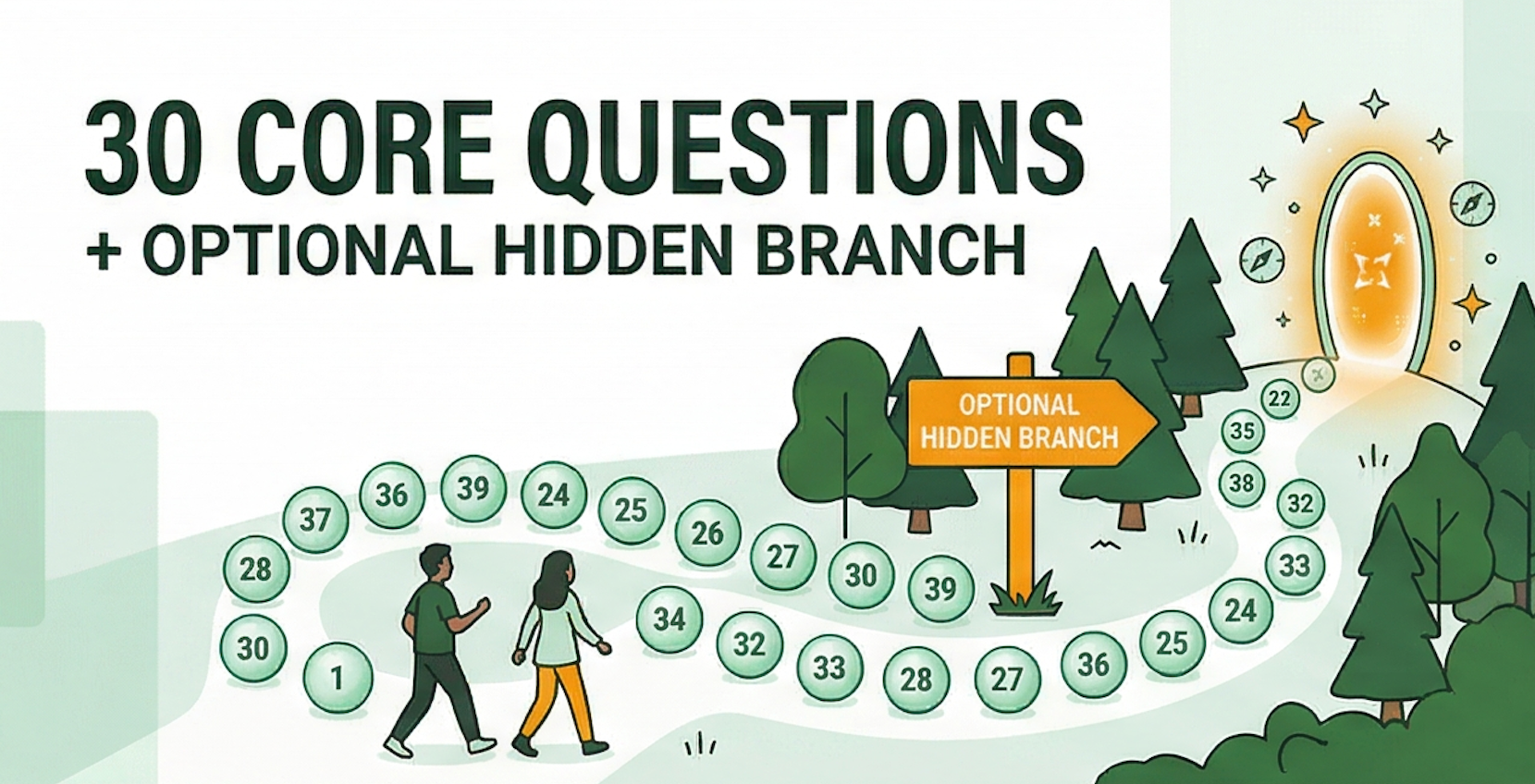
The scoring flow keeps a strict 30-question core and uses optional branch logic for special modes.
Each dimension gets a raw score and L/M/H level, then the full vector is matched against type patterns.
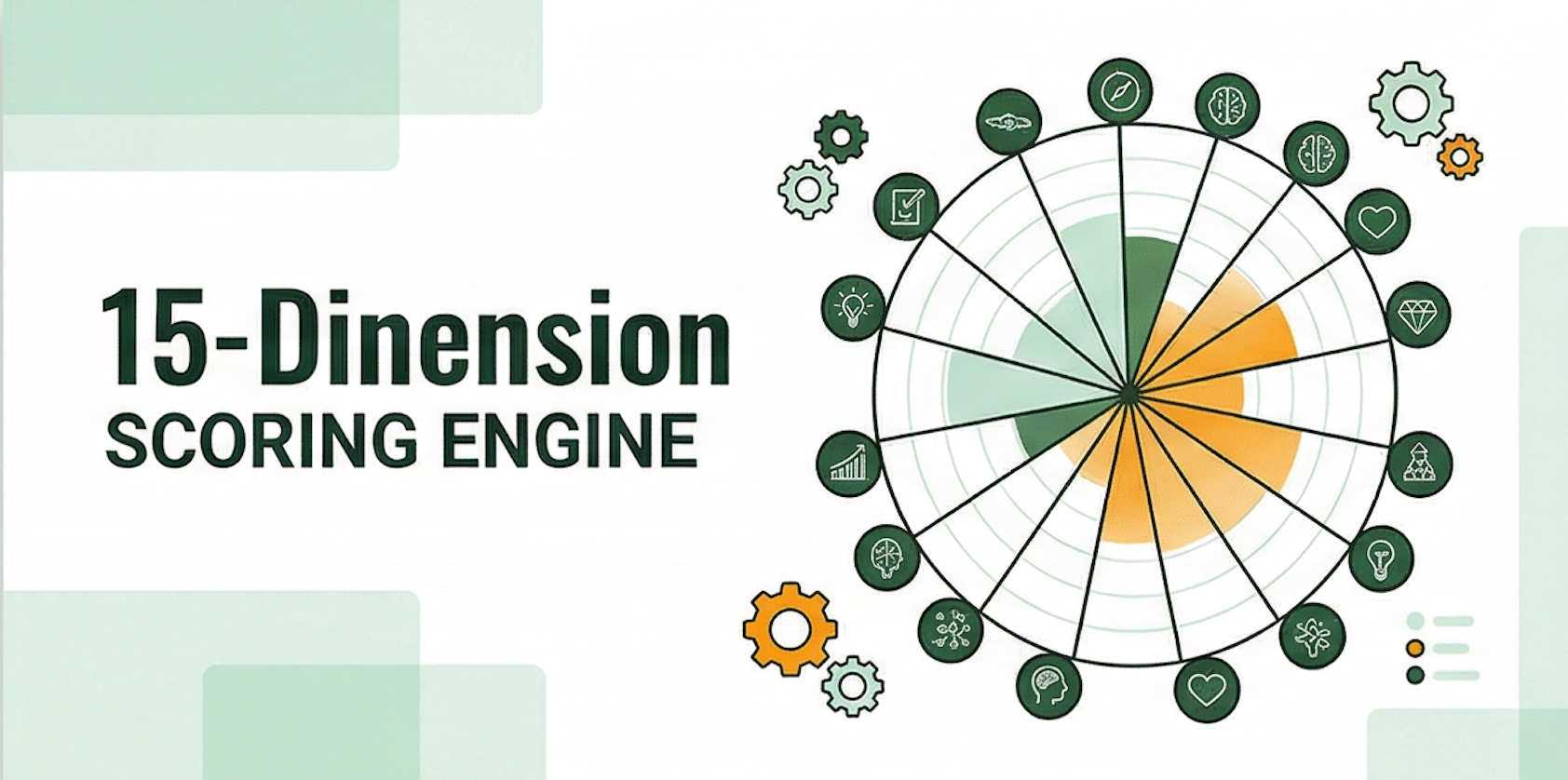
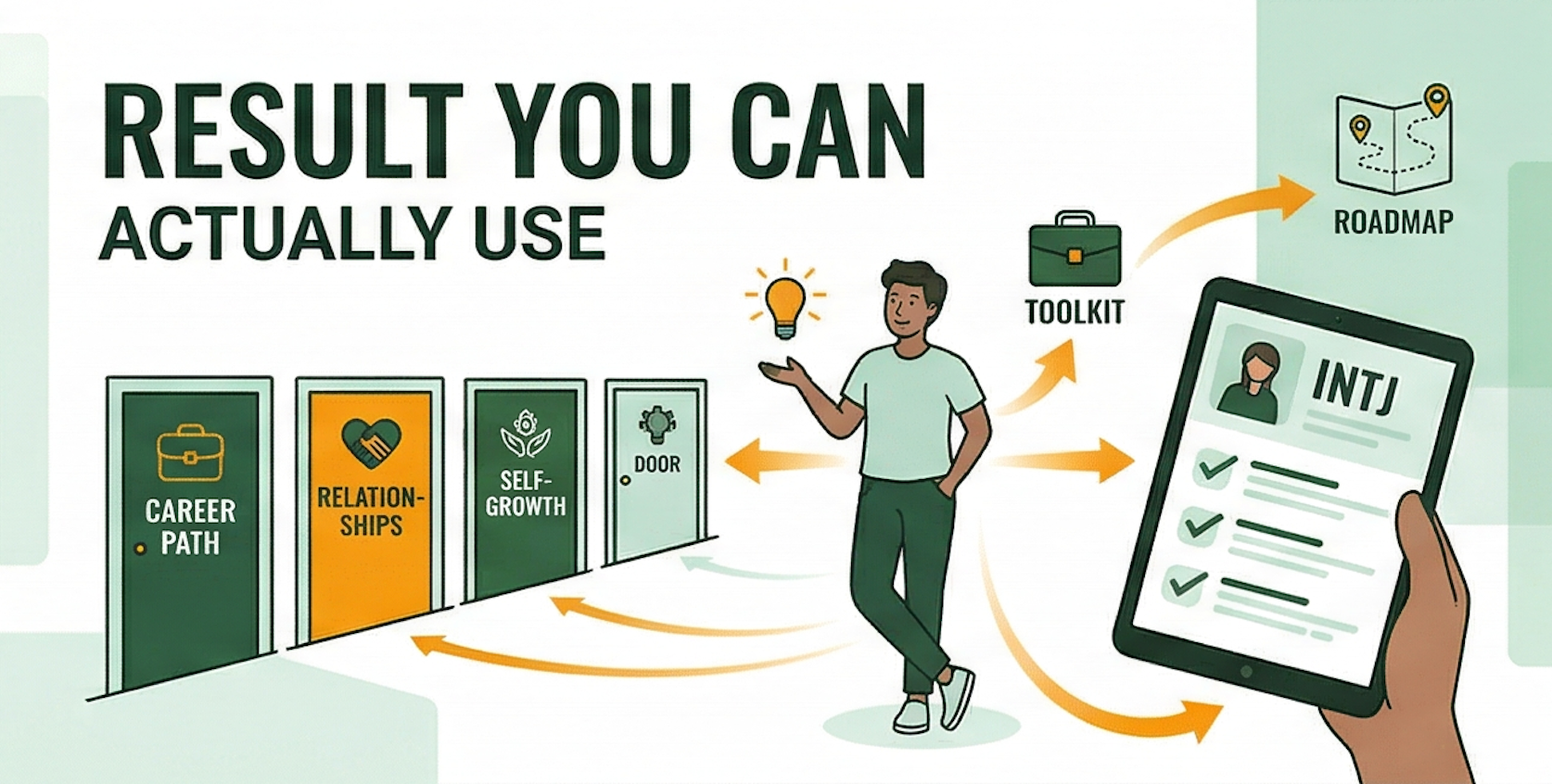
Get a primary type, full ranking, dimension breakdown, and practical strengths vs blind spots.
Treat SBTI as a behavior mirror, not a rigid label. The useful part is identifying stable tendencies and repeated blind spots.
Read your 15-dimension shape first, then the type narrative, and look for your default reactions under pressure.
Type language helps explain boundaries, pace, and triggers more clearly than vague emotional arguments.
Action and worldview dimensions can be mapped directly to planning, task design, and follow-through strategy.
SBTI did not begin as a polished product plan. It started as an absurd personality quiz made by the creator to nudge a heavy-drinking friend into reconsidering their habits. What looked like a private joke unexpectedly spread across social media at scale.
SBTI uses sharp, meme-heavy labels, but the core model is intentionally structured. The framework tracks how people decide, attach, respond to rules, and present themselves socially. The tone is playful; the behavioral signal is still real.
SBTI borrows the type-based spirit of MBTI, then rebuilds it into 5 model families, 15 scored dimensions, and 27 type outcomes. The goal is not academic formality. The goal is a personality mirror that is readable, discussable, and memorable.
Every type profile includes verdict, summary, strengths, blind spots, and social/work/love patterns.

Built from control, competence, and a personal grudge against loose ends.

Your love language is paying for damage you did not cause.
Disillusionment, low expectations, and an elite refusal to participate in fake aspiration.
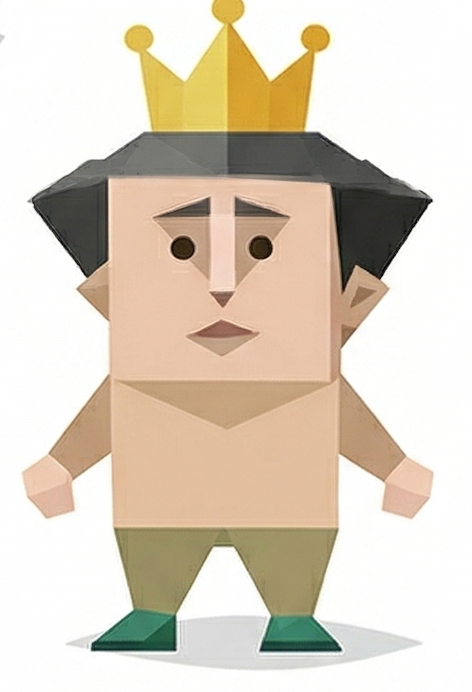
Ambition with a clipboard and zero patience for drift.
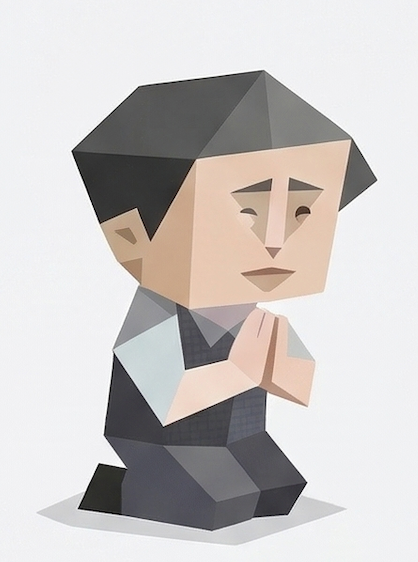
Radiates gratitude, reframes suffering, and finds emotional sunlight in absurd places.

Built from caution, foresight, and a lifelong commitment to anticipating disaster.
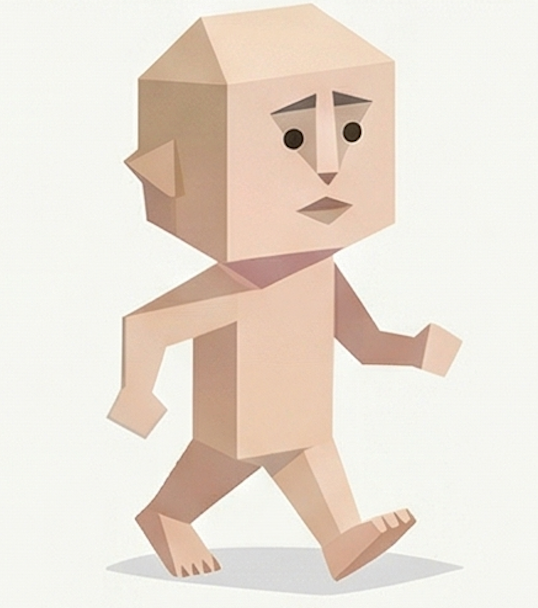
No philosophy, no hesitation, just suspicious amounts of forward motion.
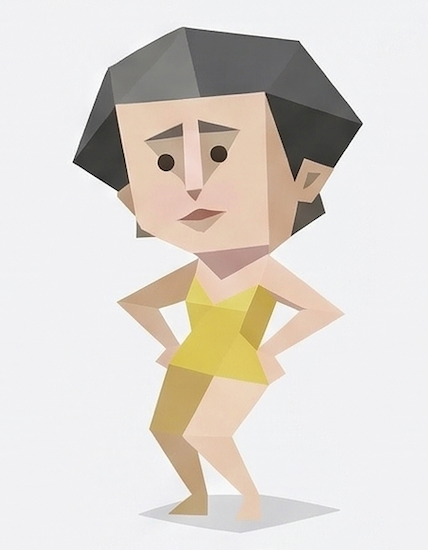
Social gravity with a face, a vibe, and entirely too much accidental power.
What the SBTI Personality Test is, what it is not, and how to read your result.
Run the full assessment and get your primary type plus all-ranked matches.
Do not optimize your image while answering. Raw input gives cleaner output.